
The Mississippi flyway: North America's largest bird migration route
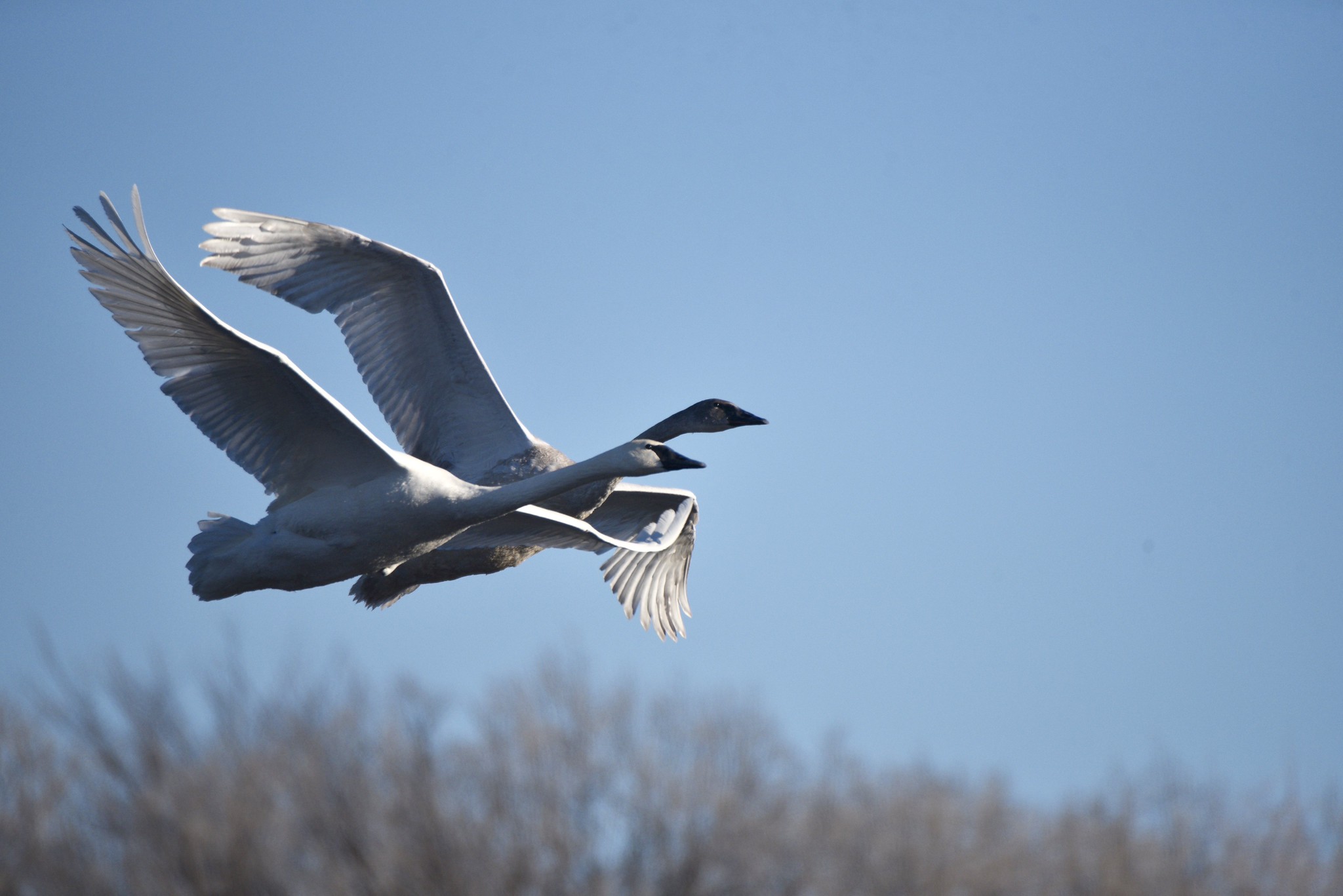
Trumpeter swans fly over the Mississippi River. (Photo by Keith Olstad, used with permission)
Each spring and fall, millions of birds on their extraordinary migration journey converge along a route known as the Mississippi flyway.
Named after its main pathway, the Mississippi River, the Mississippi flyway is the largest of four bird migration paths in the United States, stretching from the Gulf of Mexico, past the Mississippi headwaters and into central Canada.
The Twin Cities metropolitan area is in the heart of the flyway, on which more than 325 species rely as they travel between their breeding habitats in the north and their overwintering habitats in the south. For each species, including approximately 40% of North America's migratory waterfowl, the Mississippi River unfolding below their wings carries the promise of ample habitat and food to fuel their journey.
And, as Twin Cities residents, we can enjoy calling one of the best metropolitan birding areas in the United States our home.
Birders here might witness the tiny ruby-throated hummingbird, which migrates up to 2,500 miles alone to destinations as far away as Panama. Or the world's heaviest flying bird, the trumpeter swan — a short-distance migrant that travels within the Mississippi flyway in massive flocks. A variety of grassland birds, such as bobolinks and the endangered Henslow's sparrow, are summer residents in the Twin Cities. Rather than passing through, they stay awhile and nest in prairies along the river before heading back south to central South America.
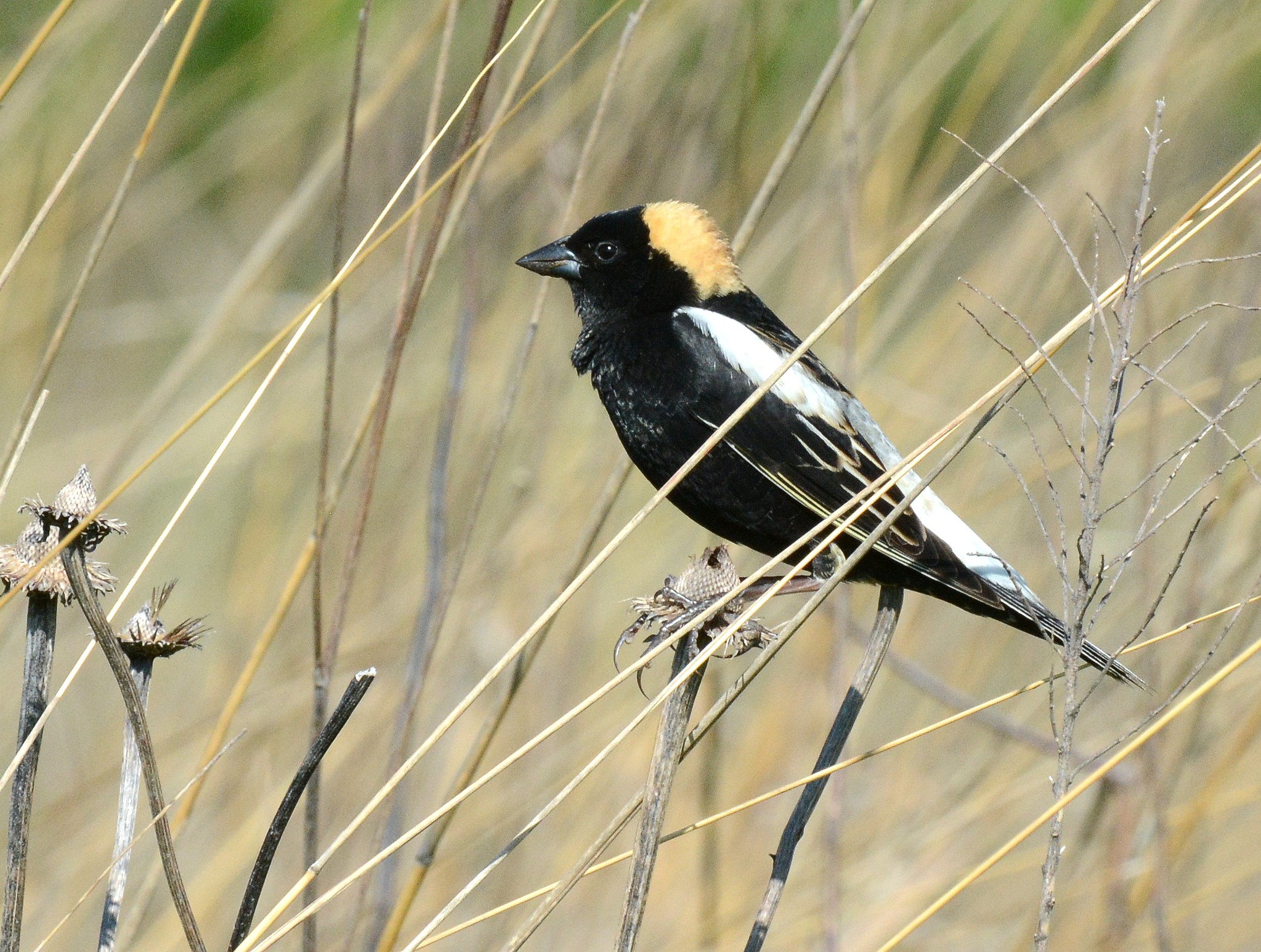
Grassland birds like this bobolink need quality prairie habitat along the Mississippi flyway. (Photo by Jim Hudgins/USFWS)
Part of a globally important migration route
The Mississippi flyway doesn't just help birds reach a destination — it supports the health of our planet, as thriving bird populations are crucial to sustaining ecosystems across our globe.
As ecosystem architects, birds create and maintain habitat by carving out nesting cavities, pollinating plants, spreading seeds and controlling insect populations.
And just as birds shape our world, the Mississippi River's contours influence theirs.
In the Twin Cities metro, birds migrating within the Mississippi flyway encounter the only gorge on the entire length of the Mississippi River.
Forested limestone bluffs along the river in Minneapolis act as a funnel within the Mississippi flyway, drawing birds into a band of woodland and savanna habitat where they find respite on their long journeys north.
Palm warblers, which mainly breed in Canada's boreal forests, and indigo buntings, a bright blue relative of the Northern cardinal, are among the nearly 200 species that've been observed in the Mississippi River Gorge.
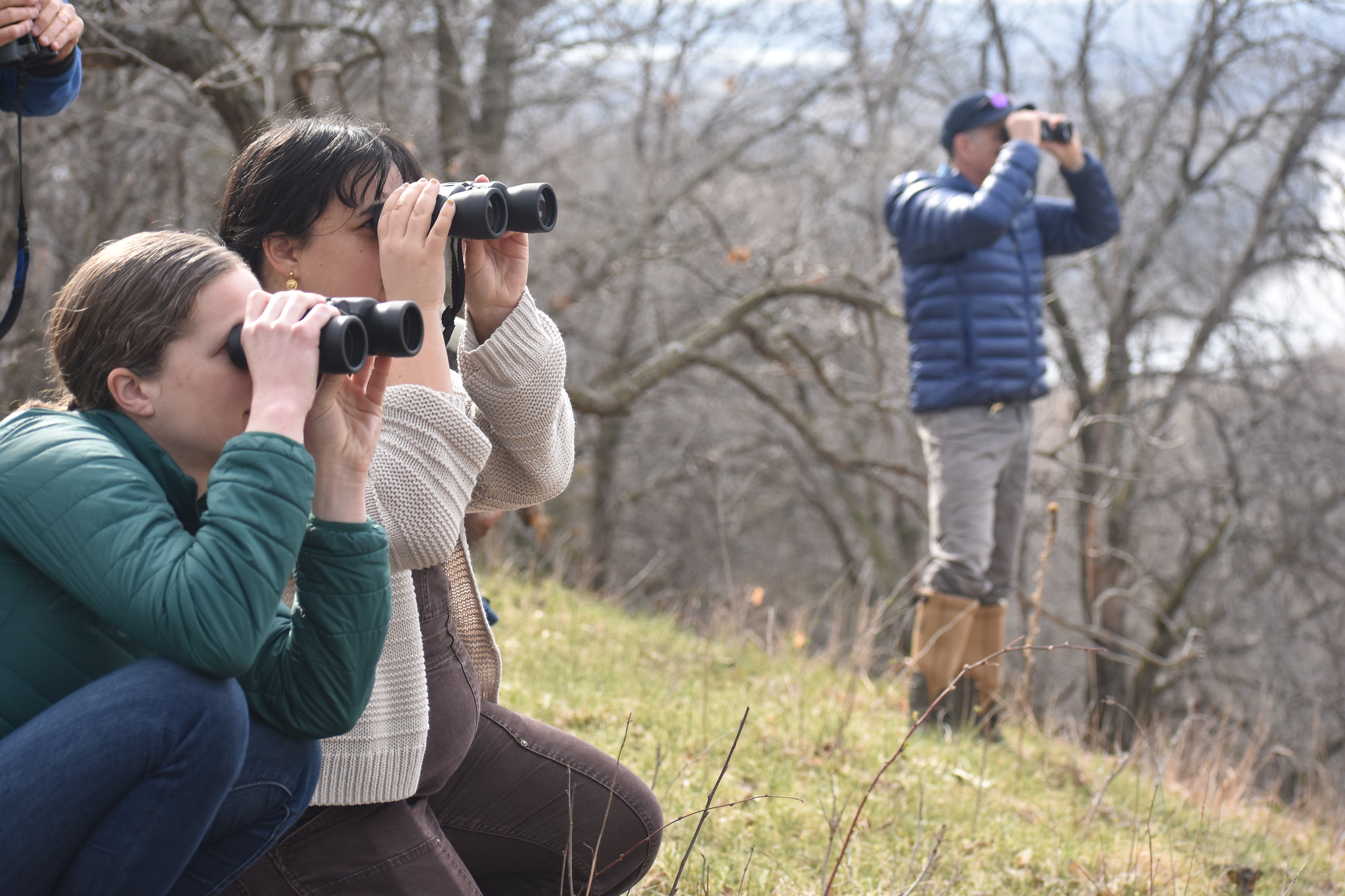
Spring is a great time to bird near the Mississippi River.
Birding the Twin Cities stretch of the Mississippi flyway
The Twin Cities' world-class network of natural areas, parks and trails showcases the Mississippi flyway and a variety of distinct habitats in action.
At the riverside William H. Houlton Conservation Area in Elk River, FMR's prairie restoration work is combating the habitat loss that's driving a steep decline in grassland bird populations. One landmark study found North America has lost more than one in four of its birds since 1970. As we continue responding to this staggering loss, surveys at FMR conservation sites show encouraging increases in bird species and abundance as native habitat flourishes again.
At Hastings River Flats in Hastings, where FMR has been restoring habitat since 2002, visitors can enjoy vibrant wet prairie and river shoreline habitat that hosts an abundance of waterbirds, such as American pelicans, sandhill cranes and sora.
FMR's 45+ habitat restoration sites in the metro collectively feature a variety of habitat types, and many are excellent destinations for birding.
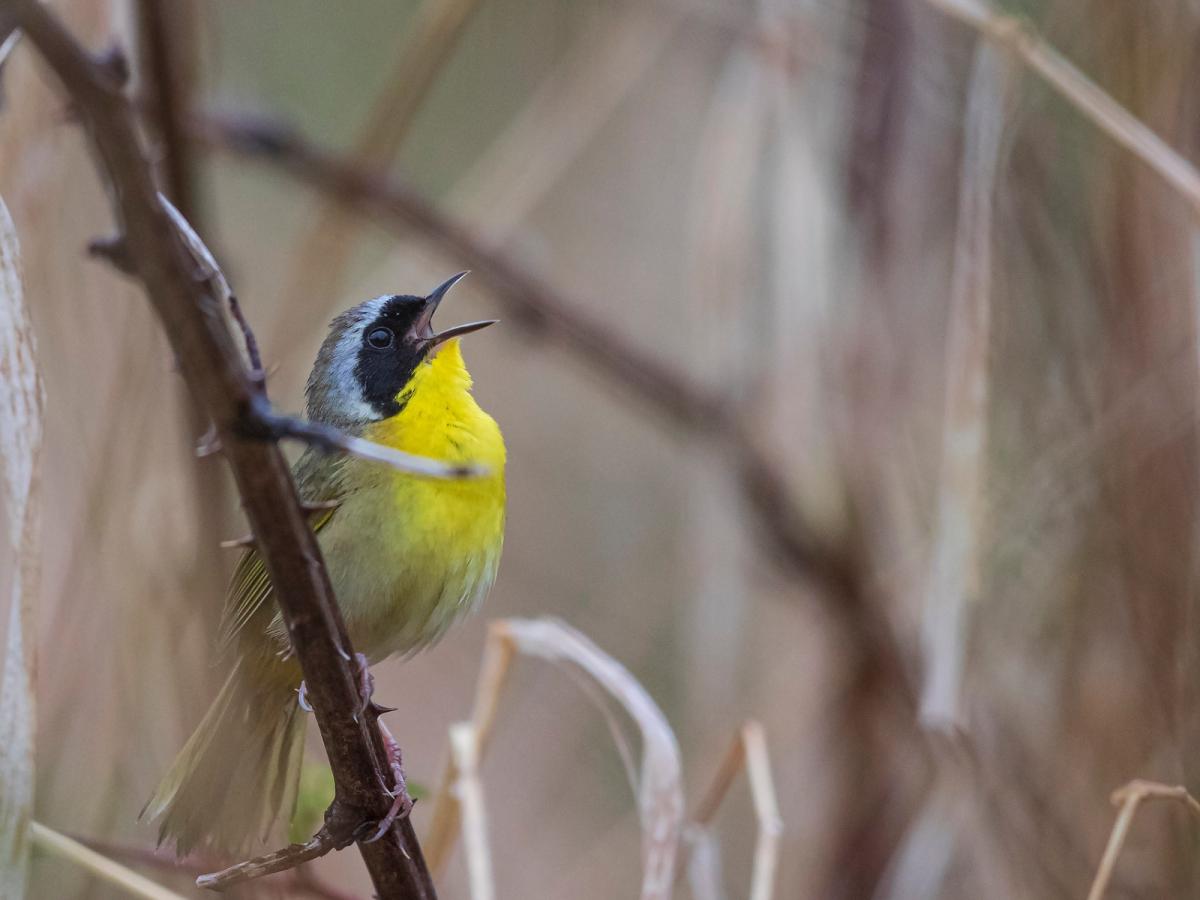
Check out must-see spring birding sites
See FMR's guide to special sites we've helped permanently protect or restore that offer great birding, especially during spring migration. Learn about species you can find at each, plus a few more tips from our team.
Because the Mississippi flyway can extend over land far behind the river and its shorelines, you can also enjoy migratory birds throughout the metro on lakes and streams, in residential yards and in small urban parks, too.
Migration activity peaks at different times depending on the species, but spring migration is underway in the Twin Cities from March through May, and fall migration spans from mid-August through October.
Spring migration is often preferred for birding as birds tend to migrate a bit faster, shortening the migration period and increasing bird concentrations, in a race to arrive at their breeding grounds before their competition. Spring migration is also an opportunity to see birds in their flashy breeding plumage, and less foliage on trees makes the kaleidoscope of color easier to spot.
During the peak of spring migration in mid- to late-May, an estimated 30 million birds may fly over Minnesota during a single night. Check out Audubon's Bird Migration Explorer map to see the annual journeys of individual bird species.
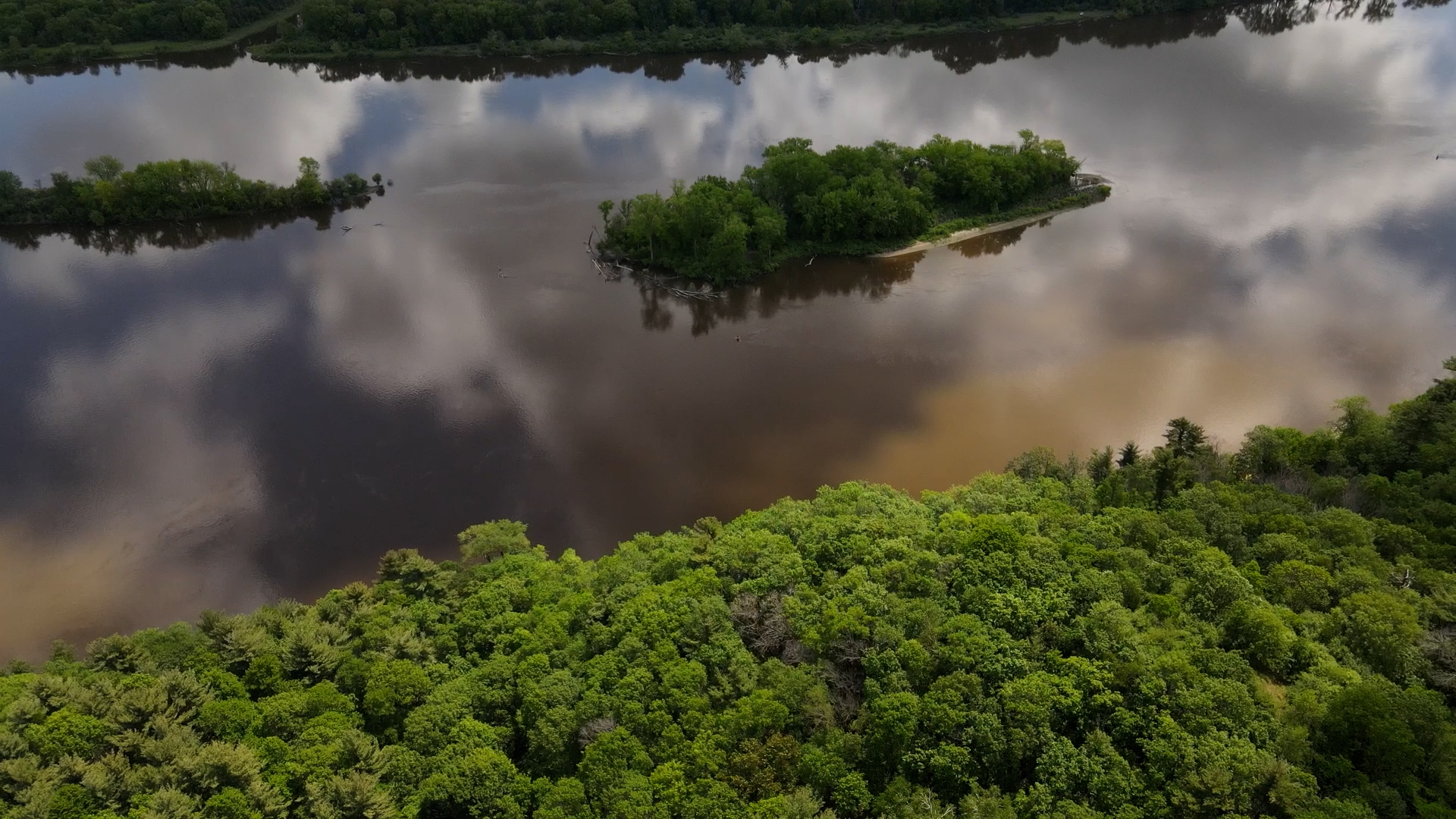
Millions of birds follow the Mississippi River north and south each year. Stewardship of the surrounding lands is vitally important. (Photo by Mike Durenberger for FMR)
Protecting the Mississippi flyway
The global significance of the Mississippi flyway is foundational to FMR's mission to protect, restore and enhance the Mississippi River and its watershed in the Twin Cities.
Stewarding areas along the river through invasive species management, seed and tree planting, and other conservation efforts promotes the habitat connectivity and diversity that North America's migratory bird species rely on. And our bird population surveys and other monitoring deepen our understanding of the impact of this restoration work.
One study showed that when migrating birds in North America stop for rest and fuel, they do so in urban areas nearly half the time. That's why it's so crucial to have quality habitat in our metro area, and why FMR advocates for bird-friendly building standards and reduced light pollution.
What you can do
Join us in stewarding this important migration route:
- Go "lights out" during migration by turning off non-essential building lights at night to lessen the impact of artificial lights on migratory birds.
- Help prevent migratory birds from striking windows with simple methods at home, such as placing stickers or string on windows to disrupt reflections.
- Turn your yard into a vital patch of habitat by planting natives and avoiding pesticides.
- Advocate as a River Guardian for bird-friendly building standards and practices in our cities.
- Volunteer with FMR to restore habitat for birds and other wildlife in the Mississippi flyway.